
Most founders can’t answer “who is your customer?” without saying “everyone.” That answer kills funding conversations. Here’s how to find the one customer who makes your market winnable.

Positioning Comes Before Channels: Find Your High-Expectation Customer First
Julie Supan joined YouTube in 2005 as its first Head of Marketing and Communications. Instead of selling video hosting, she helped position YouTube as a stage where anyone could participate. That clear positioning helped fuel its rapid growth and $1.65 billion acquisition by Google.
She later applied the same thinking at Airbnb, Dropbox, and Thumbtack. People don’t buy features. They buy an identity and outcome they already want.
This is the High-Expectation Customer (HXC) framework. You’ll learn what an HXC is, why broad customer personas fail, the five questions that identify your HXC, and how to communicate that positioning in a way investors trust.
Positioning comes before channels. Get the customer right first, then choose where to reach them.
The YouTube lesson
YouTube didn’t position itself as a video hosting platform. It positioned itself as a stage where anyone could participate. That clear positioning attracted the right users, guided product decisions, and made its value easy for investors and acquirers to understand.
As Julie Supan explains in First Round Review, a High-Expectation Customer is the person who benefits most from your product, expects the most, and tells others because they truly need it.
They aren’t chasing the latest trend. They feel the problem deeply and are willing to pay for a solution.
What a High-Expectation Customer actually is
A High-Expectation Customer (HXC) is the person who feels the problem most, expects the best solution, and is willing to pay for it. Winning this customer makes your market easier to win. They may not be your only customer, but they’re the one who influences others.
The HXC framework explains why one clear customer beats a broad persona. If you satisfy your HXC, you earn a customer who recommends your product. If you try to serve everyone, you end up serving no one.
FlightCar is a good example. Early growth came from car owners who wanted guaranteed monthly payments while their cars sat at airports. The company expanded from one airport to seventeen, but those users were driven by incentives, not the problem.
When the business model changed, they left. FlightCar attracted early adopters, not High-Expectation Customers. That’s the difference between temporary growth and a lasting market.
Why "millennials on tablets and Gen Z on phones" is a positioning failure
Broad descriptions like “millennials on tablets” or “Gen Z on phones” describe an audience, not a customer. They say nothing about the problem, urgency, or buying decision. Investors see this as a sign that your target market isn’t clearly defined.
One founder on r/startups told an investor their customer was “everyone who uses email.” The investor passed because there was no clear first customer. As UX Collective explains, don’t design for everyone. Design for real people with a real problem. The same applies to positioning.
If you can’t name the person who feels the problem most, you’re not ready to choose channels, hire sales, or pitch investors.
The five questions that find your HXC
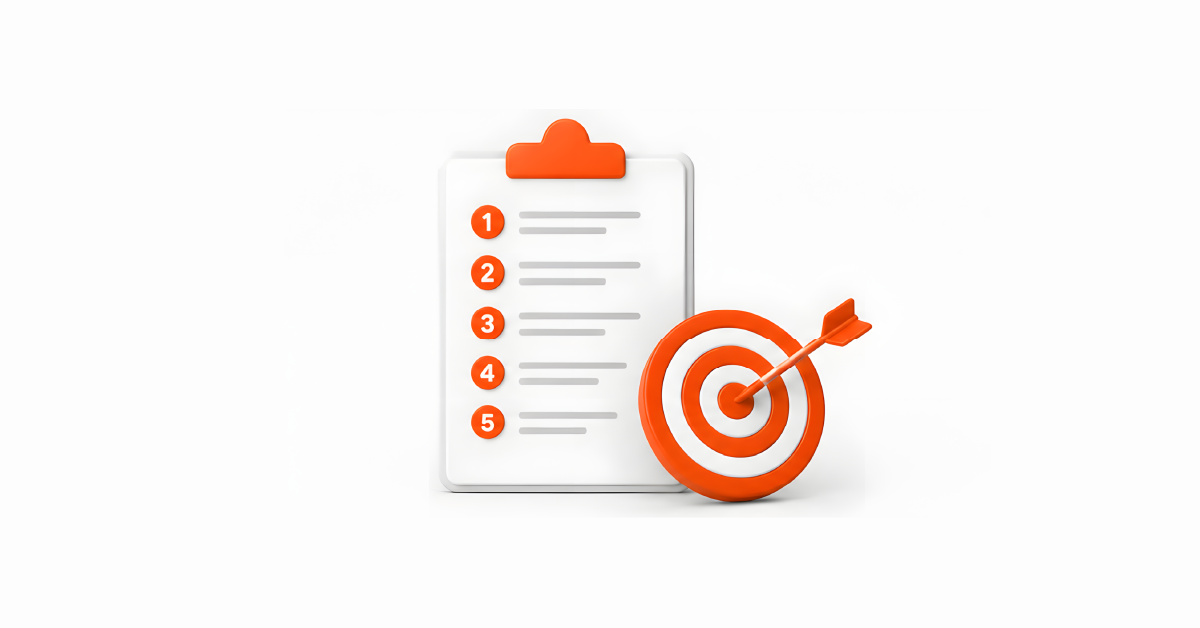
Use these five questions to identify your High-Expectation Customer (HXC):
- Who feels this problem the most?
- What have they already tried?
- Where do they talk about this problem?
- What words do they use to describe it?
- Why will they pay to solve it now?
Answering these questions gives you a positioning foundation your competitors can’t easily copy. The table below shows what each question reveals and why it matters.
Question | What It Reveals | Red Flag If Unanswered |
Who feels this problem most? | Your HXC persona | You are targeting “everyone” |
What have they tried? | Competitive landscape and pain sharpness | You assume no alternatives exist |
Where do they gather? | Your first channel clue | You have no idea how to reach them |
What language do they use? | Your messaging foundation | You rely on buzzwords, not buyer words |
Why now? | Urgency and budget availability | You have no reason someone buys today |
These five questions connect directly to defining your market. A High-Expectation Customer isn’t a persona you invent. It’s someone you discover through real conversations. The 30-Prospect Test is one of the fastest ways to find them.
The investor translation
When investors ask, “Who is your customer?” they’re really asking, “Which customer segment will you win first?” Your High-Expectation Customer (HXC) is the answer. A clear, specific customer gives investors confidence that your positioning is focused and credible.
Don’t describe a demographic. Describe a real person.
For example: “Our High-Expectation Customer is a VP of Operations at a mid-market ecommerce company who has tried three inventory forecasting tools and still loses 15% of stock each quarter because of inaccurate forecasts.”
That tells investors you understand the problem, existing alternatives, and why customers need a better solution.
That’s what strong positioning sounds like and what helps you avoid common pre-seed pitch mistakes.
Why positioning comes before channels
You can’t choose the right marketing channel until you know exactly who you’re trying to reach. A channel is only a way to reach your High-Expectation Customer (HXC). Without that clarity, every marketing decision is a guess.
Positioning tells you where your HXC spends time, what they read, and how they describe their problem. That’s why positioning comes before channels, not the other way around.
As we explain in our guide on choosing your first channel, the “who” comes before the “how.” At pre-seed, your biggest challenge isn’t reach. It’s relevance. You build relevance by focusing on the customer who needs your solution most, not the biggest audience.
Do this before your next investor email
Before sending your next investor update or pitch deck, ask yourself one question: “Who is our High-Expectation Customer?” If your answer is still a demographic or broad audience, stop and have five customer conversations. Find the person who feels the problem most.
That clarity improves your positioning, marketing channels, and investor conversations. It starts with knowing exactly who you’re building for.
Positioning comes first because everything else depends on it. Your High-Expectation Customer connects your product, messaging, marketing, and pitch. Get that right, and every decision becomes easier.
FAQs
What is a High-Expectation Customer (HXC)?
A High-Expectation Customer (HXC) is the person who feels the problem most, expects the best solution, and is willing to pay for it. Winning this customer helps you win the market.
How do I position my startup to investors?
Start with a specific customer, not a broad audience. Explain their biggest problem, what they’ve already tried, and why your solution is the better choice. That’s the clarity investors want.
Why is broad positioning a mistake for startups?
Broad positioning shows a lack of focus. A specific customer gives you a stronger entry point and makes your startup more credible to investors.
How does positioning affect marketing channels?
Positioning tells you where your customer spends time, what they read, and how they describe their problem. Once you know that, choosing the right marketing channel becomes much easier.
What’s the difference between an early adopter and an HXC?
An early adopter tries new products because they’re new. A High-Expectation Customer buys because they have a real problem and need a better solution. HXCs stay because the value lasts.
Positioning comes first because every decision depends on it. Find your High-Expectation Customer, and your messaging, marketing channels, and investor pitch become much stronger.
Ready to strengthen your positioning? Book an Investor Readiness Audit.
Continue reading:

Topics: