
Every SEO agency says start early. We sell content, and we’re telling you to wait. Here’s the math that kills early-stage SEO, and the one citation play worth your time.
Should a Pre-Seed Startup Do SEO? An Honest Answer From People Who Sell Content
You searched for “SEO for SaaS startups,” and found this article. Here’s the honest answer: most pre-seed startups should not invest in SEO yet. We write content for a living, but the numbers matter more than our services.
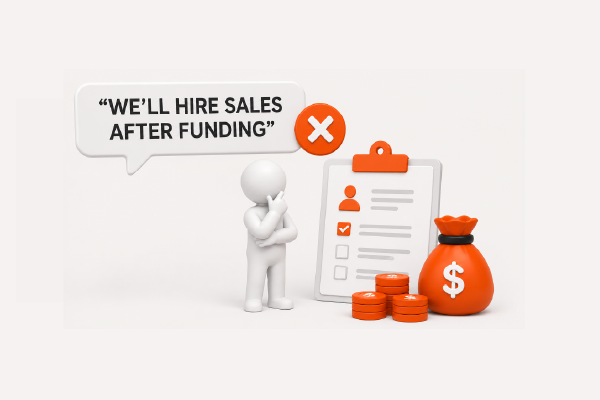
At the pre-seed stage, SEO takes time, and your runway is limited. The better move is to focus on the GTM activities that bring customer proof first. When the timing is right, SEO becomes far more valuable.
Why Every Search Result Says Yes
Most SEO for SaaS startups articles come from agencies that sell SEO services, so they have a reason to recommend long-term SEO. Their success stories also feature startups with product-market fit, dedicated content teams, and time to wait for results, not pre-seed founders with limited runway.
If you compare the top-ranking articles, you’ll see the same advice: “Start early,” “Build authority,” and “SEO compounds over time.” Those points are true, but they leave out one key fact: SEO takes time.
Even Design Revision’s SaaS SEO guide says meaningful results can take 6 to 18 months, and that’s with a content team. For a pre-seed startup, the timeline is longer while the runway is shorter. That gap is the real challenge.
The Timeline Math
The average pre-seed startup has 18 to 24 months of runway, while SEO can take 12 to 24 months to generate meaningful results. That means you could spend a large part of your runway before SEO brings your first customer conversation.
Consider this simple comparison:
Investment | Monthly cost (founder time + tools) | Time to first meaningful result | Cost until first result | Risk to pre-seed runway |
SEO (content + link building) | $3,000 to $5,000 worth of time, plus $500 in tools | 12 to 24 months | $42,000 to $132,000 | High – consumes 10-20% of total budget before any signal |
One high-intent channel (founder-led outreach) | 15 hours per week of founder time | 4 to 8 weeks | Approximately $10,000 in opportunity cost | Low – delivers conversations and insights within 2 months |
Stackmatix’s playbook for pre-seed marketing recommends allocating 80% of budget to a single, high-signal channel that generates conversations.
At the pre-seed stage, conversations matter more than SEO impressions or clicks.
The challenge is timing. If you invest in SEO from day one, you may spend 12 months before seeing meaningful results. During that time, you miss valuable customer feedback and delay improving your positioning and offer.
Pre-seed startups need learning and conversations first, not long waits for organic growth.
You Can't Do SEO Before You Know Your Buyer
SEO works only when you understand your buyer. At the pre-seed stage, most founders have assumptions, not customer insight. Publishing content before talking to buyers can attract the wrong audience and waste valuable time.
Positioning comes before promotion. If you cannot describe your ideal customer using their own words, your content will miss the mark. That’s why 30 customer conversations should come before building an SEO strategy.
One founder on r/startups described spending $20,000 on an SEO agency before completing customer discovery. The agency published 40 articles, but the site attracted job seekers, students, and competitors instead of potential customers.
SEO strengthens your understanding of the customer. If that understanding is wrong, SEO strengthens the wrong message.
What Does SEO Measure, and Can It Change Your Decision?
SEO measures keyword rankings, organic impressions, and click-through rates. At the pre-seed stage, these numbers do not tell you whether customers will pay. A click is not a customer conversation, and a visitor is not a paying customer.
Even if your site attracts 5,000 monthly visitors, you only know people searched for the topic. You still do not know if they have the budget, authority, or urgency to buy. That can create a false sense of progress while the biggest question remains unanswered: Will anyone pay for your product?
At the pre-seed stage, the metrics that matter are customer conversations, follow-up meetings, and verbal or written purchase commitments. Those are the signals that help improve your product and strengthen your fundraising story.
The Exception: Citation Matters More Than Ranking
The one SEO-related activity worth doing at the pre-seed stage is not chasing rankings. It is creating one original insight that AI search engines can cite. This is called Answer Engine Optimization (AEO) or Generative Engine Optimization (GEO). It rewards specificity, not domain authority, making it a practical strategy for early-stage startups.
AI Citations Are Growing
ChatGPT, Perplexity, and Google’s AI Overviews are sending real referral traffic. GrackerAI’s 2026 playbook on SEO growth hacks notes that AI-generated answers now drive up to 15% of organic discovery for early-stage SaaS tools.
This traffic source is small but growing. More critically, it favors original research and sharp, unique viewpoints over long-established domain ratings. A pre-seed startup with a compelling data point or a contrarian framework can earn citations from AI models that traditional SEO would bury.
Specificity Beats Authority
Traditional SEO depends on backlinks and domain history. AI citation depends on clear, original information. If you publish a framework, dataset, or insight that no one else has, AI is more likely to reference your content.
The Search Opportunity Pre-Seed Founders Can Win
Instead of publishing dozens of blog posts, create one resource only your startup can produce, such as:
- Results from 50 customer interviews with key findings.
- A diagnostic scorecard backed by real customer data.
- A research-backed perspective that challenges a common industry belief.
Use clear headings, bullet points, and structured content so AI systems can easily understand and reference it. Think of this as a Citation Sprint, not a long-term content campaign.
Avoid Generic Content
Generic articles and rewritten competitor content are easy to ignore. One well-researched, original resource is far more valuable than dozens of basic blog posts.
What Should You Do Instead This Quarter?
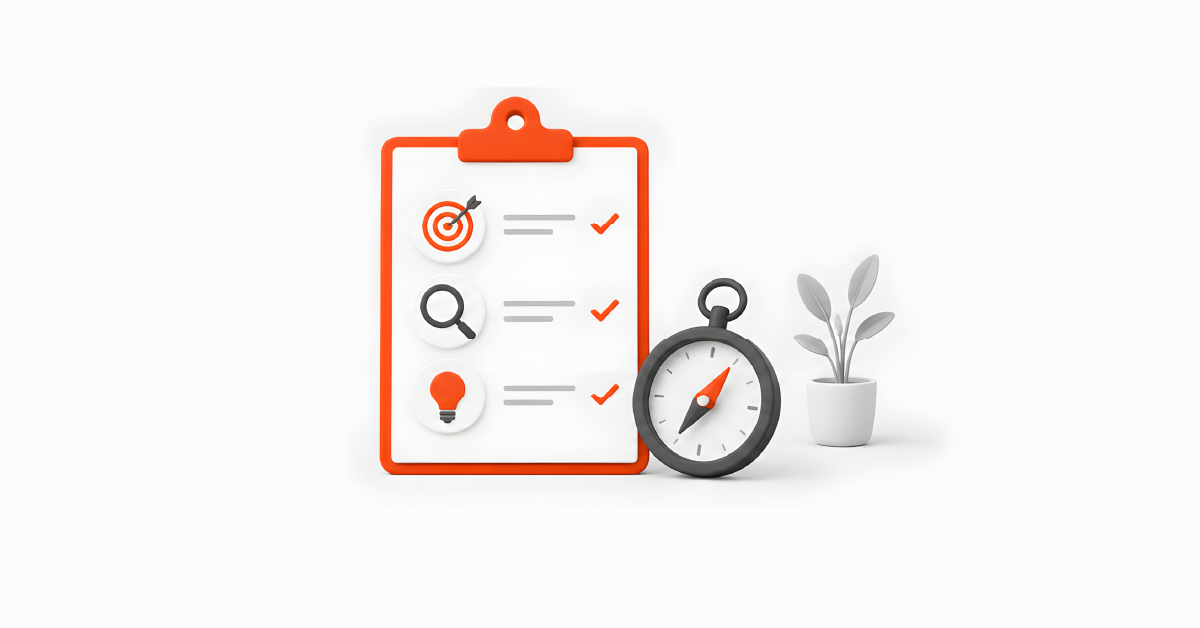
Instead of building an SEO content strategy, focus on three activities that create customer insight and proof:
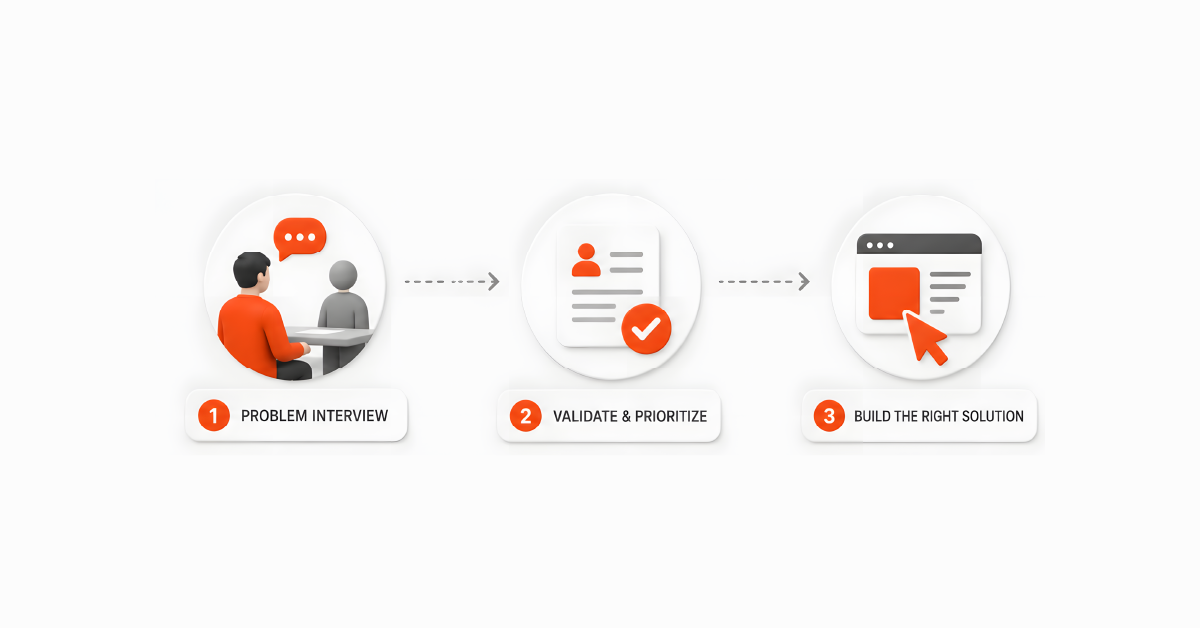
- Talk to 30 potential customers. Use the 30-prospect test framework to validate the problem and learn the exact words buyers use. Those conversations will guide your future content.
- Test one high-intent marketing channel. Choose a channel where you can speak directly with potential customers and gather real feedback. At the pre-seed stage, this delivers faster learning than SEO.
- Publish one original insight for AI citation. Create a research-backed resource, framework, or dataset that only your startup can produce. It can strengthen your fundraising story and earn AI citations over time.
These three actions cost far less than an SEO retainer and give you real customer insights and proof within a few months.
When Should You Start SEO?
Start SEO when you have a repeatable customer acquisition process, understand your buyers’ language, and can invest consistently for 18 months or more. For most SaaS startups, this happens at the seed or Series A stage, not at pre-seed.
By that point, you will have closed pilot customers, heard the exact words they use, and validated a conversion path. You can then build an SEO strategy around topics that actually drive qualified leads.
Doc Digital SEM and Relianext rank the best SEO agencies for SaaS startups, but those agencies deliver value only when the startup is ready to scale, not when it is still searching for a repeatable message.
If you have raised a seed round and achieved a steady pipeline, and you understand your CAC benchmarks, then SEO becomes a defensible long-term play. Before that, it is a costly distraction.
FAQs
Is SEO worth it for pre-seed startups?
For most pre-seed startups, no. SEO takes 12 to 24 months to deliver meaningful results, while early-stage founders need customer conversations now. The exception is publishing one original, high-value resource that can earn AI citations.
When should a SaaS startup start SEO?
Start SEO after you have product-market fit, a repeatable sales process, and a clear understanding of your buyers. For most startups, this happens at the seed or Series A stage.
How long does SEO take for a SaaS startup?
With consistent effort, SEO can take 12 to 24 months to generate meaningful organic growth. In competitive SaaS markets, it may take even longer.
What is AEO, and should pre-seed startups care?
Answer Engine Optimization (AEO) helps your content get cited by AI tools like ChatGPT and Google AI Overviews. Pre-seed startups can benefit by publishing one original, research-backed insight that AI can reference.
Can a startup get customers from SEO without spending money?
Yes, but it requires a major time investment. A founder may spend 15 to 20 hours a week creating and promoting content for more than a year before seeing results.
At the pre-seed stage, customer conversations and high-intent marketing channels provide faster learning and stronger proof.
SEO is the first channel many founders consider, but it should not be the first investment at the pre-seed stage. Your runway is better spent understanding your customers than waiting for blog posts to rank. Create one original insight that AI can cite.
That insight can strengthen your fundraising, improve your product, and become the foundation of your SEO strategy when you’re ready to scale.
Book an Investor Readiness Audit to identify the one insight that can attract customers, earn AI citations, and strengthen your next investor conversation.
Continue reading for deeper insights on customer validation, traction, and fundraising at the pre-seed stage.

Topics: