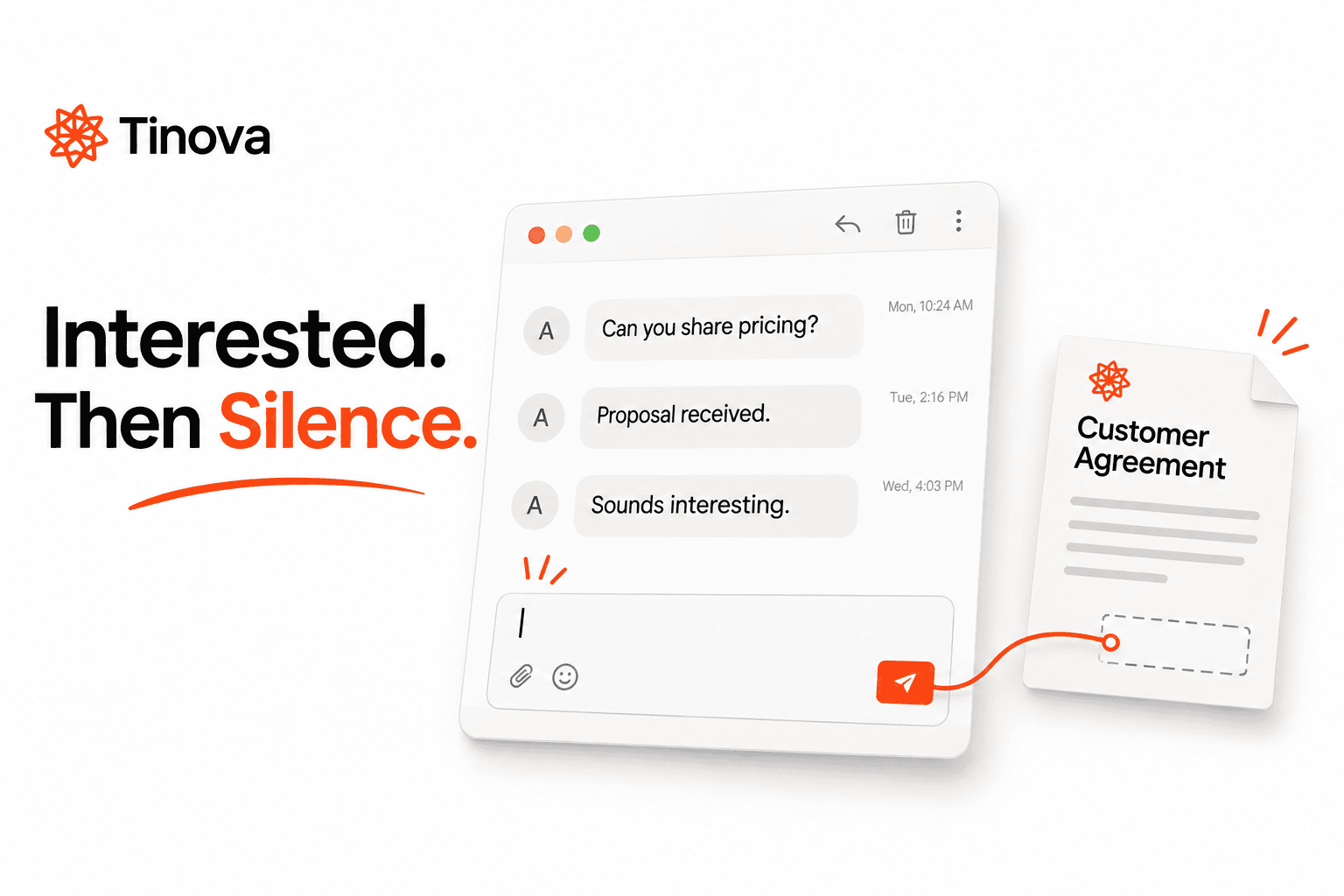
A prospect asks about your pricing. Another agrees to a meeting. Someone else requests a proposal. These are the conversations you’ve been trying to start.
But after you reply, the conversations go quiet.
You follow up, wait, and still hear nothing. You may wonder whether the prospect has lost interest, needs more information, or is waiting for something your business hasn’t addressed.
For an early-stage B2B founder, this is frustrating. You’ve already spent time finding the right people and getting their attention. Now you need to understand what’s stopping them from moving forward.
Effective B2B lead follow-up isn’t about sending more reminders. It’s about helping interested prospects make a decision.
Why Do Interested B2B Prospects Stop Responding?
Interest doesn’t always mean someone is ready to buy.
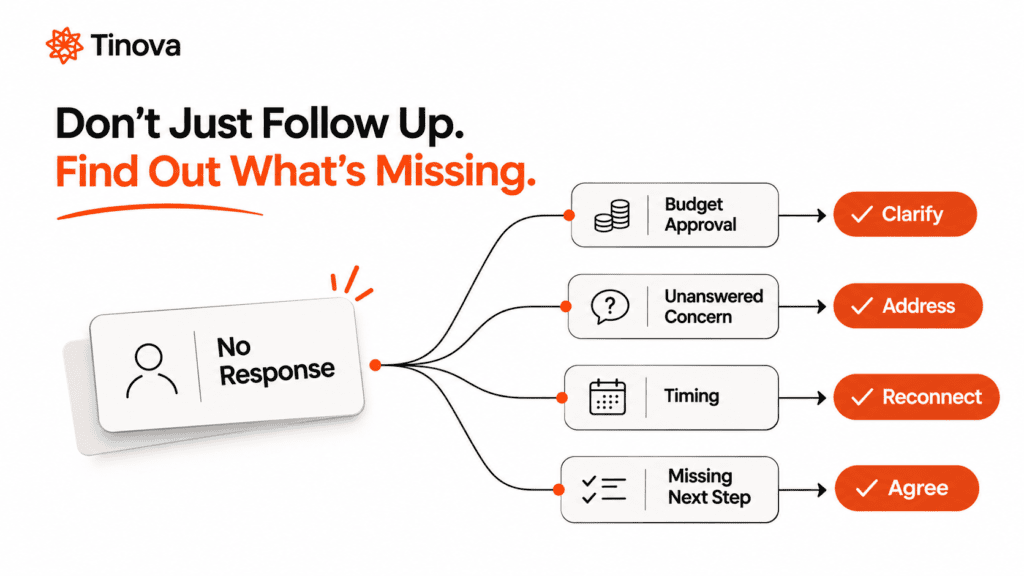
A prospect might like your solution but need budget approval, have concerns about implementation, or be comparing other options. Their priorities may have changed, or they may simply be busy.
Sometimes, the conversation itself creates the problem. Ending with “Let me know what you think” leaves the prospect to decide what happens next.
Before following up, review your last conversation. What did they ask? What concern did they mention? Did you agree on a next step?
These details can help you decide what to say next.
Which Interested Leads Should You Follow Up With First?
When you’re running a startup, you can’t spend equal time on every contact. Prioritize prospects who have shown meaningful buying interest.
| Prospect Action | Follow-Up Priority |
| Requests a quote or demo | Higher |
| Asks about pricing or implementation | Higher |
| Downloads an introductory guide | Lower until further qualified |
| Says they may need the product later | Reconnect at the agreed time |
Also consider whether the prospect fits your ideal customer profile, how urgent their problem is, and whether they have a realistic path to purchasing.
A pricing enquiry shows interest, but it doesn’t automatically mean someone is ready to buy.
How Should You Respond When a B2B Prospect Shows Interest?
Answer their question before asking for another meeting.
If someone asks about pricing, give them a clear starting point or explain what affects the cost. Then connect your next step to their needs.
Example pricing response:
“Our plans start at [starting price] per month, depending on the number of client accounts and reporting requirements. You mentioned managing reports across several clients. Would a short conversation help us establish which option fits your team?”
This illustrative template should be adapted to the product’s actual pricing.
The important part is answering what the prospect asked while making it easy to continue the conversation.
What Should You Say When an Interested Prospect Goes Silent?
Your follow-up should address something that might be holding up the decision, rather than repeating your original pitch.
| Situation | What Your Follow-Up Should Do |
| Interested but hasn’t booked | Explain what the meeting will help them decide |
| Demo completed, no decision | Ask what remains unclear |
| Proposal sent, no response | Address a concern raised during the discussion |
| Not ready to buy | Agree on a suitable time to reconnect |
| Missed meeting | Make rescheduling easy |
Example: A Prospect Hasn’t Booked
“Hi Alex, you mentioned your team spends time preparing weekly client reports. Would seeing how the automated workflow works help you decide whether it’s suitable for your team?”
Example: A Proposal Hasn’t Received a Response
“Hi Alex, you mentioned that onboarding without disrupting client reporting was a concern. I’ve outlined how the initial setup would work. Would that help your team review the proposal?”
Both messages connect to something the prospect previously discussed.
Instead of asking whether they’ve read your last email, give them information that helps them evaluate the next step.
When Should You Follow Up Without Becoming Pushy?
Follow-up timing depends on the prospect’s situation.
Someone reviewing a proposal may need a response sooner than someone planning to revisit the product next quarter.
When possible, agree on a follow-up date before ending the conversation. Ask when they expect to review the proposal or make a decision.
Know when to:
- Continue: The prospect is engaged and moving toward a decision.
- Pause: They’re interested but have other priorities. Agree on when to reconnect.
- Close: They’ve declined or stopped responding after several relevant attempts. Respect their decision and update your pipeline.
A consistent follow-up process matters, but every interaction should have a clear purpose.
How Can Startups Track Follow-Ups Without an Expensive CRM?
You don’t need expensive software to manage a small sales pipeline.
A spreadsheet can track:
- Prospect name and company
- Last interaction and current sales stage
- Main concern or unanswered question
- Next action and follow-up date
- Outcome: won, lost, or nurturing
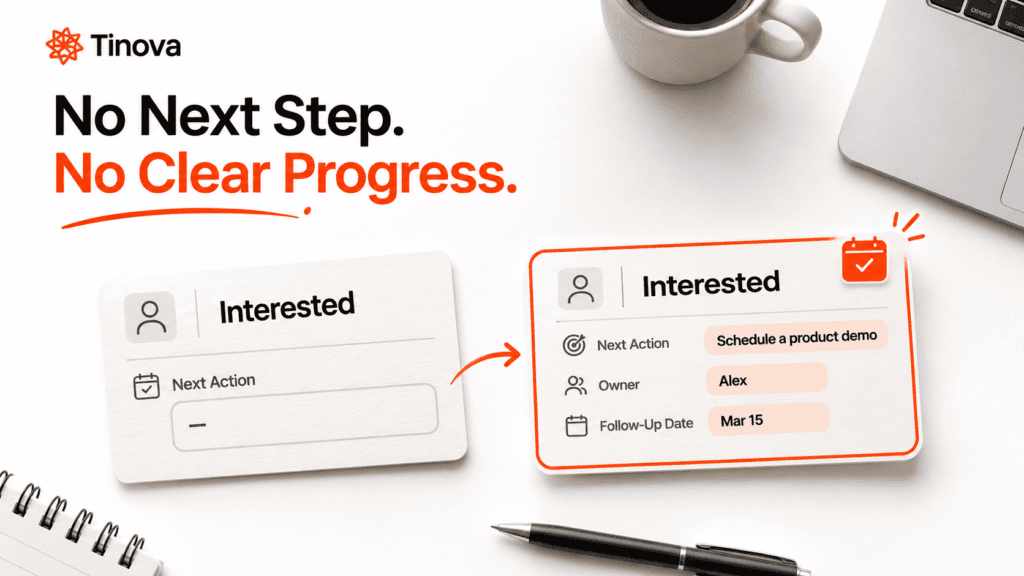
One detail matters: every active opportunity should have a next step.
Marking someone as “Interested” isn’t useful if you don’t know what they’re waiting for or when you’ll contact them again.
How Do You Know Whether Your Follow-Up Strategy Is Working?
Measure whether interested prospects are progressing toward a purchase, not how many reminders you’ve sent.
Qualified interested leads → Meetings completed → Proposals sent → Paying customers
Your interested-lead-to-customer conversion rate is:
(Paying customers ÷ Qualified interested leads) × 100
Define qualified interested leads consistently. Include prospects who fit your target customer profile and have expressed relevant buying interest.
Compare groups that have had enough time to complete the buying process.
If meetings happen but proposals don’t progress, investigate the concerns raised during conversations. If proposals receive no decisions, review whether the scope, price, expected outcomes, and approval process are clear.
Your numbers show where to investigate. Conversations with prospects help you understand why.
A Simple Weekly Follow-Up Routine for B2B Founders
Use one short weekly review to keep genuine opportunities moving.
| Weekly Action | What to Decide |
| Review active opportunities | Who is waiting for an answer? |
| Check stalled conversations | What was the last concern or agreed action? |
| Send relevant follow-ups | What information could help each prospect decide? |
| Update your pipeline | Should the opportunity progress, pause, or close? |
This keeps your follow-up connected to actual conversations instead of becoming another list of reminders.
Have Interested Prospects but Few New Customers?
You’ve managed to get people interested, but some conversations aren’t turning into sales. The next step is to understand what’s stopping prospects from making a decision.
Book a free 30-minute GAP Analysis with Tinova. We’ll look at how you handle interested leads, follow-ups, and stalled opportunities, then help you identify one area to improve so more conversations can move forward.
Written by Tinova Growth Team
The Tinova Growth Team shares practical guidance for early-stage B2B founders working through challenges in positioning, marketing, sales, and customer acquisition. Our articles focus on helping founders understand what’s holding their business back and what they can do next.