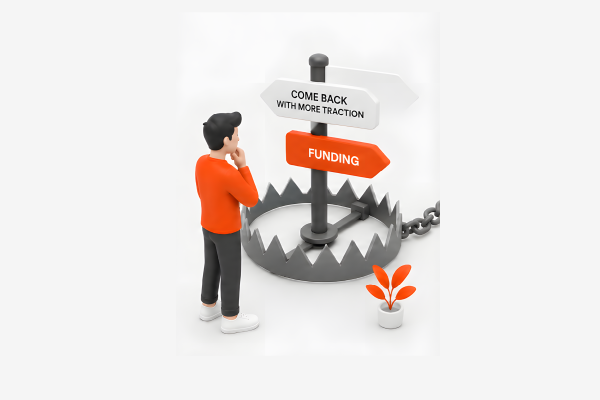

Think a great demo means a closed deal? Your champion is walking into a room of six skeptics without your best arguments. Here’s the Champion Kit that survives without you.
Your biggest competitor isn’t another vendor. It’s what happens after the demo. You leave the call thinking you won. Weeks later, the deal is gone, and you never learn why.
The real decision happened in a meeting you never attended. Your champion sat with people you never met, each with different concerns, and had to explain your product using only the material you left behind.
One enthusiastic contact can feel like a closed deal. It’s a false safety net. In reality, B2B buying committees include 6 to 10 stakeholders. For deals between $25,000 and $100,000, you’ll typically face 4 to 7 decision-makers.
According to Forrester, 86% of B2B purchases stall before a decision is made. The deal doesn’t stop on your sales call. It stops during internal discussions where you’re not present.
The answer is simple: your job isn’t just to sell your champion. Your job is to help your champion sell your solution to everyone else. Build a Champion Kit and multi-thread the account from the first conversation. Single-threaded deals fail when your champion gets busy, changes roles, or can’t answer every question in the buying committee.
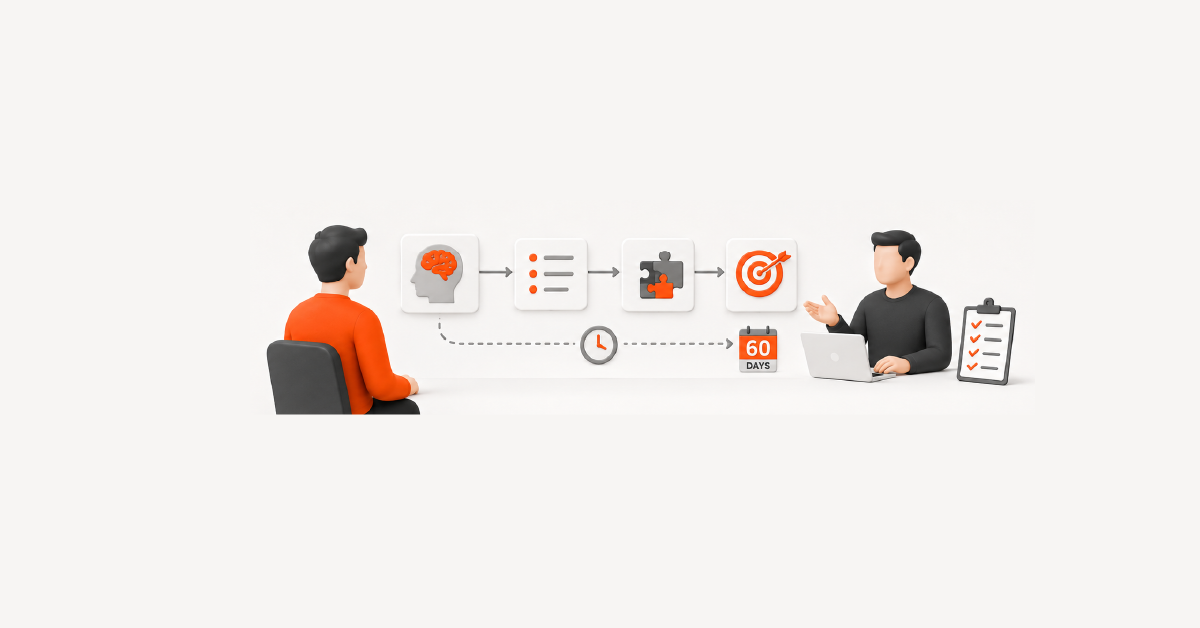
The meeting that decides your deal has no vendor in it
The final buying decision doesn’t happen on your Zoom call. It happens in a budget review, procurement meeting, or security assessment. Your champion is the only person representing you, and they may have only a few minutes to make the case.
Committee creep: why more stakeholders arrive as the deal progresses
Most deals begin with one user. Then a manager joins, followed by IT, finance, procurement, and an executive with different priorities. Buying committees grow as the deal moves forward. Salesfully calls this committee creep.
You start with one contact and end up with 6 to 10 stakeholders, many you’ve never met.
Why “they loved the demo” is a status report on one person
One person’s excitement is not a buying decision. Your champion may love the product, but other stakeholders still have questions about security, compliance, pricing, or contract terms. A deal isn’t real until every key decision-maker is on board.
The stall is the default outcome, not the exception
A stalled deal isn’t always lost to a competitor. According to Omnibound B2B Buying Statistics, many B2B deals stop because teams can’t reach an internal decision. The status quo feels safer than adopting a new solution.
Your champion needs proof that staying the same carries more risk than making the change.
The five people in the room and what each one is actually afraid of
The buying committee doesn’t think as one group. Each stakeholder is protecting a different risk.
Role | Core Fear | What They Need From You |
Champion | Career risk if this fails | An internal business case they can defend |
Economic Buyer | Opportunity cost, not price | Proof this problem costs more to ignore |
Security / IT | Data loss, breaches, audit failure | A security one-pager and a clear architecture |
Finance / Procurement | Precedent, terms, renewal exposure | Predictable pricing and off-ramps |
Silent Skeptic | Unknown second-order consequences | Evidence of successful adoption and a pilot |
The champion: career risk if this fails
Your champion is putting their reputation on the line. If the rollout fails, they take the blame. Give them a one-page business case using their company’s numbers and language so they can confidently present it.
The economic buyer: opportunity cost, not price
The person approving the budget cares more about the cost of doing nothing than product features. Show the impact in business terms like time lost, delayed revenue, compliance risk, and ROI.
Security / IT: the veto that doesn’t negotiate
Security can kill a deal with one email. They won’t tell you what concerns them; they’ll simply say “no.” The Starr Conspiracy’s buyer journey data shows that technical reviewers often enter late and wield silent veto power. Provide a security one-pager before they ask, and they’ll see a vendor who respects their process.
Finance / procurement: precedent, terms, and renewal exposure
Procurement wants to reduce risk. Make pricing clear, explain renewal terms, include an exit option, and show how customers can keep their data. Reducing purchase risk helps close deals faster.
The silent skeptic: the one who says nothing until week six
This stakeholder may not appear until late in the buying process. They ask one question that can delay or stop the deal. Ask your champion, “Who else needs to approve this decision, and what concerns might they have?”
How to find the skeptic before they find you
After each call, ask your champion to explain the internal buying process and identify every stakeholder involved. Then ask to speak with the skeptic directly. A simple approach is:
“I want to make this easier for you. Let me speak with [name] and answer their questions directly so you don’t have to.”
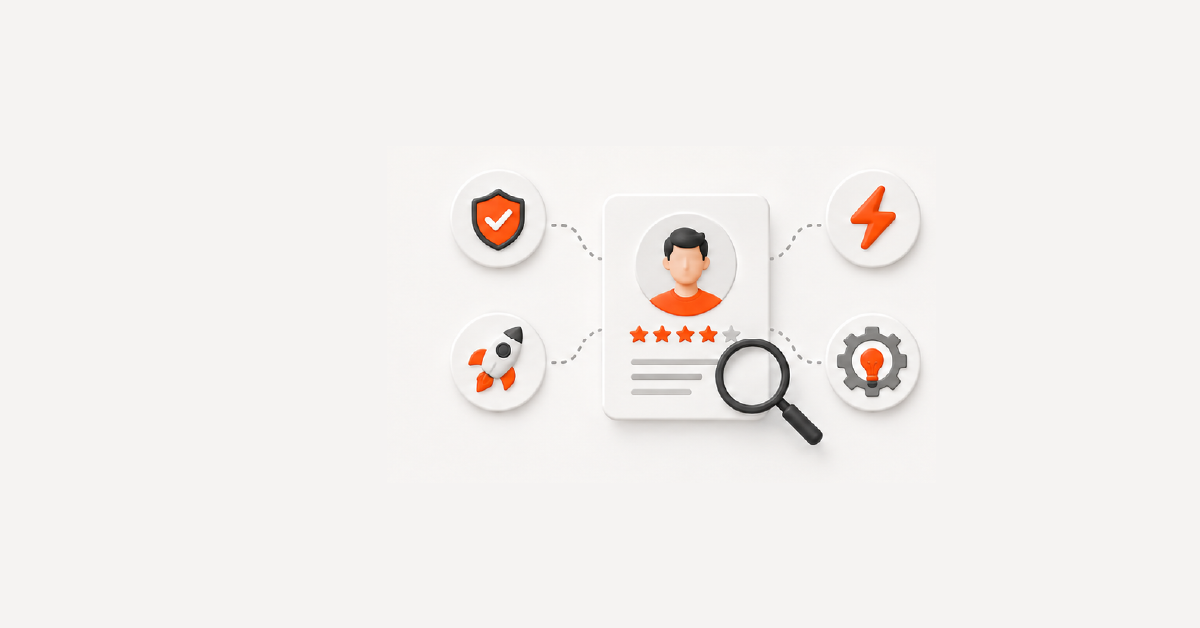
The Champion Kit: five artifacts that survive without you
Your champion should never walk into an internal meeting with only your sales deck. A Champion Kit gives them the documents they need to answer objections and build confidence without you in the room.
The one-page internal business case (in their words, with their numbers)
Build this with your champion, not for them. Use their company’s language, goals, and metrics. When the economic buyer asks why the purchase matters, they have a business case that speaks to the company, not the vendor.
The risk-reversal page: what happens if this fails
Address the biggest concern before it’s raised. Include pilot terms, success metrics, an exit clause, and data portability. When stakeholders ask, “What if this doesn’t work?” your champion already has the answer.
Pilot terms, exit clauses, data portability: de-risking as a sales asset
A 90-day pilot with a clear success metric reduces buying risk. Add 30-day cancellation terms and a simple way to export data. This turns a large buying decision into a low-risk trial.
The security one-pager, before anyone asks
Create a one-page security document covering your infrastructure, certifications, data handling, and compliance. IT teams can review it quickly, helping prevent late-stage objections.
The reference your champion can call without you arranging it
Introduce a customer with a similar business and allow your champion to contact them directly. A real conversation builds more trust than a case study.
The FAQ your champion will be asked and can’t currently answer
Prepare answers to the toughest questions, such as “Why not build this ourselves?”, “Why not choose a competitor?”, and “What happens if usage doubles?” Clear answers help your champion respond with confidence during the buying process.
Multi-threading at pre-seed without a sales team
A single contact is a single point of failure. Multi-threading means building relationships with multiple stakeholders, and even a solo founder can do it without a sales team.
The second contact rule: never leave a call single-threaded
After every conversation, ask to meet one more stakeholder. Make it a habit. If you leave with only one contact, your deal becomes more vulnerable.
How to ask for the introduction without insulting your champion
Position the request as support, not doubt. For example: “I want to answer your team’s questions directly so you don’t have to carry that responsibility alone. Can we schedule 15 minutes with [name] next week?”
Script: “who else has to be comfortable with this?”
Ask this after your champion shows interest. It’s a simple question that helps identify other decision-makers and naturally starts multi-threading.
Founder access as an asset: the meeting only you can get
Founders can reach VPs and C-suite executives more easily than most sales reps. Use that advantage. Offer to join the committee meeting or record a short video explaining the value of your solution. Founder involvement builds trust and commitment.
Selling as a validation partner, not an information source
Your champion wants confidence, not another sales pitch. Help them validate the problem, answer stakeholder concerns, and build a strong business case. When you’re seen as a decision-making partner instead of just a vendor, internal buy-in becomes much easier.
The Stall Autopsy (run this on every dead deal)
When a deal goes silent, don’t just move on. Review it. The Stall Autopsy helps you find where the deal stopped.
- Did we have more than one contact in the account?
- Did we identify every stakeholder with veto power?
- Did our champion have a business case they could share?
- Did we answer IT and security questions before they asked?
- Did we know the silent skeptic’s main objection?
- Did we present directly to the economic buyer?
If three or more answers are “No,” the deal didn’t stall because of bad luck. It stalled because of your sales process.
Pattern-reading: three stalls at the same stage is a GTM defect, not bad luck
One lost deal is part of sales. Three deals stalling at the same stage point to a GTM problem. Your security documents may be missing, or your champions may not have a strong business case. Fix the repeated pattern, not just the next deal.
FAQs
How many people are on a B2B buying committee?
A typical B2B buying committee includes 6 to 10 stakeholders. For deals between $25K and $100K, there are typically 4 to 7 decision-makers. Large enterprise purchases can involve 11 to 14 stakeholders, according to Gartner and Demandbase.
What is champion enablement?
Champion enablement means giving your internal champion the tools to build support when you’re not in the room. A strong Champion Kit includes a business case, security one-pager, risk-reversal plan, and a customer reference.
Why do B2B deals stall after a good demo?
A great demo wins one person, not the whole buying committee. Deals stall when stakeholders raise concerns about security, budget, or risk, and your champion doesn’t have the information to answer them. Give your champion the resources to build internal buy-in.
How do I multi-thread a deal as a solo founder?
Follow the second-contact rule. Never finish a call without asking to meet one more stakeholder. Ask, “Who else has to be comfortable with this decision?” Present it as a way to support your champion and answer the team’s questions directly.
For further reading
- Define your Ideal Customer Profile (ICP) before building your sales process.
- Build a strong pre-contact GTM motion and first outreach strategy.
- Learn how to handle procurement and buying committees.
- Learn how to win design partners and early customer validation.
- Review your GTM strategy, buying process, and sales execution.

Topics: