Most founders think a SOC 2 report will open the enterprise floodgates. It won’t. The real trigger is the first security questionnaire you can’t afford to lose. Here’s when compliance actually matters, and what to send procurement while you have nothing.

Procurement is now a GTM stage, not an administrative step
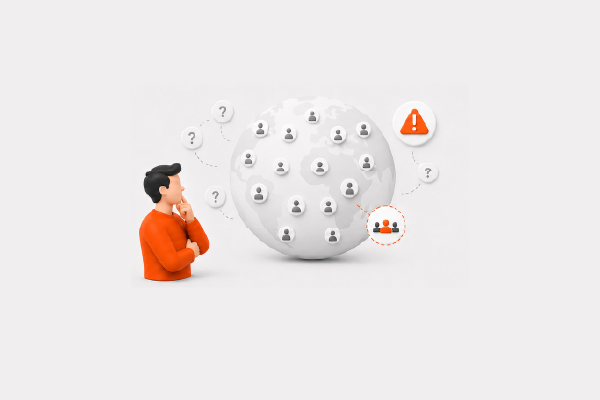
Answer-first block: About 86% of B2B purchases stall mid-process (Forrester), and for early-stage vendors, vendor risk review is the biggest blocker.
Enterprise questionnaires now exceed 200 questions across 19 risk domains, taking 15 to 40 hours to complete. Procurement is no longer an administrative step. It is a GTM stage you need to plan for.
The moment the buyer stops being your buyer
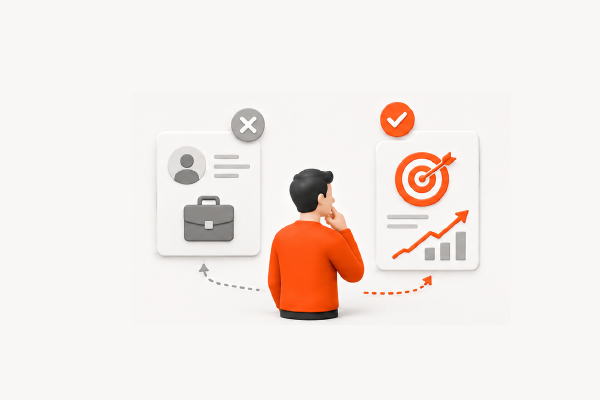
The moment a security reviewer opens your attachment, your champion is no longer your buyer. Their job is to find reasons to reject your vendor. Your product’s value comes second. Evidence and checkboxes come first.
Security, legal and procurement are moving earlier in the cycle
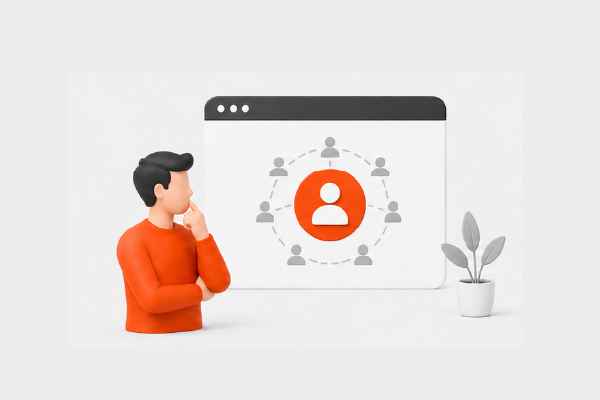
Security, legal, and procurement now enter earlier in the sales cycle. Reviews that once happened during contract negotiation now begin during the trial or even the first demo. If you learn the compliance requirements during legal review, the deal is already at risk.
Why “we’re too early for that” ends the deal politely
When a founder says, “We’re too early for that,” procurement hears “not ready.” No security plan, no timeline, and no trust. The deal does not end with a rejection. It simply stops moving, and the follow-up never comes.
The timing rule: when compliance becomes worth the money
Most SOC 2 advice comes from compliance vendors selling SOC 2. The founder’s answer is simpler: before a real security questionnaire, compliance is a distraction. After the first questionnaire arrives, you have only weeks to respond.
Before the first real questionnaire, SOC 2 is a distraction
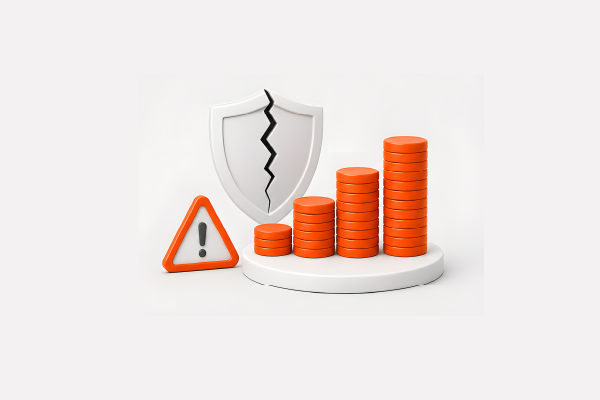
A SOC 2 report can create a false sense of progress while draining cash. If you are still searching for repeatable product-market fit, spending $20,000 on an audit takes money away from customer discovery. As one r/startups post put it, “SOC 2 before a repeatable sales process is like building a fire escape on a tent.” A certificate without a buyer proves nothing.
Why “a board member said we’d need it” is technically correct and tactically wrong
Yes, you will need SOC 2. But not before a real deal depends on it. Board advice can confuse an eventual requirement with an immediate priority. At the seed stage, every dollar should validate the product or help acquire a customer. An audit without buyer demand does neither.
The first questionnaire from a real buyer is the trigger
The trigger is not a blog post, a competitor, or board advice. It starts when a paying buyer sends a 200-question security questionnaire and says, “Legal needs this before we can proceed.” That is a buying signal. They want to move forward but need proof first.
What the clock looks like after it arrives: weeks, not quarters
You cannot tell a mid-market buyer SOC 2 will be ready in nine months. That can end the deal. The realistic window is 2 to 6 weeks, not a full quarter. You need evidence you can share now and a clear plan your buyer can take to security and legal.
Type 1 vs Type 2 — what actually unblocks a deal
Aspect | SOC 2 Type 1 | SOC 2 Type 2 |
What it tests | Control design at a single moment | Control operation over 3–12 months |
Typical timeline | 6–12 weeks | 5–9 months |
Year-one cost (seed stage) | $15K–$25K | $25K–$40K+ |
Unblocks procurement? | Often, with an engagement letter | Yes, fully |
First-year engineer effort | 2–4 weeks (SSO, logging, policies) | Ongoing maintenance plus evidence |
Best use | Bridge to full certification | Long-term enterprise readiness |
Why a signed auditor engagement letter often unblocks before the report exists
A signed engagement letter builds more confidence than a promise. Procurement teams look for a trusted audit firm, a committed date, and proof the process has started.
As one r/cybersecurity reviewer said, “If a startup shows me a signed letter from a real audit firm and a target Type 1 date within 90 days, I’ll sign off.” It shows you have a real plan and have already invested in it.
What to send procurement when you have nothing yet
You can turn a hard no into a “not yet” by showing you take security seriously.
The one-page security overview
Create a one-page PDF covering your cloud provider, encryption (at rest and in transit), subprocessors, access controls, and responsible disclosure policy. That alone puts you ahead of many early-stage vendors.
A lightweight questionnaire response you prepare once and reuse
Use CAIQ Lite or a trimmed SIG questionnaire. Answer the 35 most common security controls honestly and keep it updated. Treat it as a living document, not a last-minute task.
The named auditor, the engagement letter, the target date
Tell procurement: “We are working with [Firm Name] on a SOC 2 Type 1 audit, with completion expected by [Month Year]. Here is the signed engagement letter.” One clear sentence builds more confidence than multiple product demos.
Compensating controls and honest scoping
How to say “no, but here’s what we do instead” credibly
Do not hide security gaps. Instead say, “We do not have X, but we use Y instead because it achieves the same outcome.”
As one r/cybersecurity reviewer said, “I don’t need perfection. I need honesty and a control I can verify.” Clear, honest answers help keep the deal moving.
The three asks beyond certification that procurement now treats as table stakes
- A signed Data Processing Agreement (DPA).
- A recent penetration test, or a commitment to complete one.
- A business continuity and disaster recovery plan, even a simple two-page version.
These three documents, plus a signed auditor engagement letter, build trust for many deals under $50K ACV.
Designing your GTM around the procurement gate
Qualifying for procurement pain during discovery, not at contract
The question to ask in call one: “who signs, and what do they need?”
Ask “Who signs off, and what do they need?” on the first call. If the answer includes a CISO or vendor risk team, expect a security review. Add it as a sales stage in your CRM and plan for it early.
Choosing a beachhead by procurement burden, not just by pain
Do not choose customers based only on the problem they have. A regulated company with a 300-question review for a $10K deal can drain time and resources.
Start with companies under 500 employees, where IT approval, a DPA, and your security one-pager are enough.
When the right answer is to sell down-market for twelve months
If enterprise deals keep stalling during vendor risk, sell down-market first. Close five $15K deals that move faster. Use that revenue to fund your SOC 2 audit, then pursue $100K enterprise accounts.
Budgeting the real cost: tooling, audit, and the engineering weeks
Plan for $10K to $15K for compliance tools such as Vanta or Drata, $10K to $15K for the audit firm, and 3 to 4 engineering weeks for SSO, centralized logging, access reviews, and security hardening.
Founders estimate the software cost but miss the engineering time, which is the real bottleneck.
The Procurement Readiness Checklist
Eleven checks before your first mid-market deal
# | Readiness check | Why it matters |
1 | A real buyer has sent a security questionnaire. | Trigger point. |
2 | You can answer encryption, access, and data residency questions. | Strong first impression. |
3 | A named audit firm is engaged, even if the audit has not started. | Shows real commitment. |
4 | Production is separate from development. | Basic security practice. |
5 | Multi-factor authentication is required for all production access. | Expected security control. |
6 | A written incident response plan is ready (minimum two pages). | Required by many buyers. |
7 | You can provide a DPA within 24 hours. | Clears the legal review. |
8 | Engineering has planned SOC 2 control work. | Prevents last-minute delays. |
9 | $25K is budgeted for first-year audit and compliance tools. | Shows real investment. |
10 | You know when buyer size makes SOC 2 necessary. | Prevents wasted sales effort. |
11 | A security one-pager is ready for procurement and the CISO. | Builds trust while reviews continue. |
Thresholds by buyer size and data sensitivity
Buyer employee count | Data sensitivity | Likely requirement |
<250 | Low (non-PII, non-financial) | Security one-pager + DPA |
250–1,000 | Moderate (PII, limited financial) | SOC 2 Type 1 in progress or completed |
1,000–5,000 | High (health, financial, minors’ data) | SOC 2 Type 2 strongly preferred |
5,000+ | Any | SOC 2 Type 2 or ISO 27001 is nearly mandatory |
FAQs
When does a startup need SOC 2?
The real trigger is your first security questionnaire from a buyer you cannot afford to lose. Before that, invest in customer discovery, not an audit. Once procurement asks for SOC 2, you have weeks to respond, not months.
How much does SOC 2 cost a seed-stage startup?
Plan for $20K to $30K in the first year: $10K to $15K for compliance tools, $10K to $15K for the audit, plus 3 to 4 engineering weeks. A Type 1 audit can cost $15K to $20K with careful planning.
Can you close enterprise deals without SOC 2?
Yes, in some cases. Buyers with fewer than 1,000 employees and low data sensitivity may accept a signed auditor engagement letter, a security one-pager, a DPA, and recent penetration test results while SOC 2 is in progress.
What do you send procurement while SOC 2 is in progress?
Send a one-page security overview, a completed lightweight questionnaire, a signed auditor engagement letter with the target date, and documented compensating controls. This package can keep mid-market deals moving while certification is underway.
For further reading:
- How Committee Selling Helps You Win Enterprise Deals
- How to Define Your Ideal Customer Profile (ICP) Before You Scale
- How to Build a Go-to-Market (GTM) Plan That Supports Growth
- How to Prepare for Your First Enterprise Audit and Security Review

Topics: