Need ICP tools for startups? Build a pre-seed Kill List with 3 simple tools, practical templates, and a 10-point fit test to focus on better-fit accounts.
Most ICP tools for startups help you find more accounts. At pre-seed, ask a better question: Which accounts should you reject?
You do not need 50,000 names. You need a Kill List that shows who fits, who does not, and who deserves your time.
In Short
- Track fit and disqualifiers in a spreadsheet or lightweight CRM.
- Use LinkedIn Sales Navigator to research accounts and buyers.
- Use free alerts for buying signals and trigger events.
- Build the list from customer conversations and closed-lost deals, not a template alone.
Why You Need a Kill List, Not a Lead List
A good ICP tool should make it easier to say no.
A bigger database does not mean a better ICP. At pre-seed, time spent on poor-fit accounts takes time away from likely buyers.
Your system should answer three questions:
Why does this account fit? Why does it not fit? What changed?
That turns your ICP into a working filter.
How to Define Your ICP at Pre-Seed
Start with your last five closed-won and closed-lost deals.
Ask who had the strongest problem, who bought fastest, who needed the least explanation, why lost deals failed, and which customers were costly to serve.
Those answers become fit signals and disqualifiers.
We do not sell to teams with fewer than 20 employees, companies using a direct competitor, or accounts without the person who owns the problem.
Tinova uses the same diagnosis-first idea in its Business Foundation work: understand the business problem before deciding what to build.
The 3-Tool ICP Stack for Startups
You need three jobs covered: track, research, and watch for triggers.
1. Lightweight CRM: Google Sheets or Attio
For a small list, a spreadsheet can be enough.
Track the account, buyer, fit signals, disqualifiers, last conversation, and next step.
If you cannot filter out bad-fit accounts, you are storing contacts, not managing an ICP.
2. Research: LinkedIn Sales Navigator
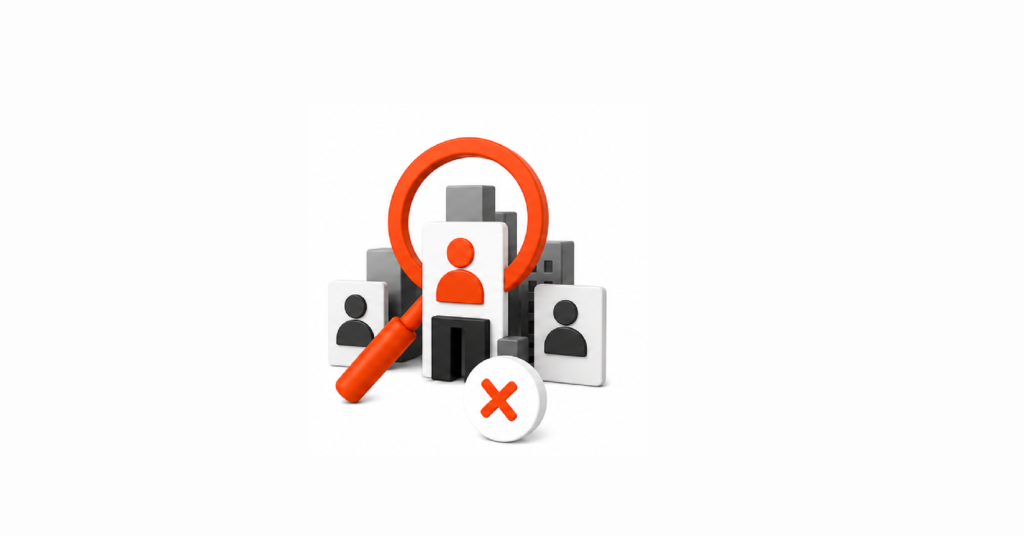
Sales Navigator lets you filter leads and accounts by company size, industry, geography, seniority, and function. You can also save searches and get updates when new matches appear.
Use LinkedIn Sales Navigator to start with the account profile you want, then research the person behind it.
After each conversation, write three notes: problem, current solution, buying signal.
3. Trigger Source: Free Alerts
You do not need paid intent data to start watching for change.
Use Google Alerts for company or market terms, LinkedIn alerts for saved accounts, and job posts for roles tied to the problem you solve.
Google Alerts can email you when new results match a topic.
The goal is not more notifications. It is a reason to contact an account now.

Two ICP Templates Worth Copying
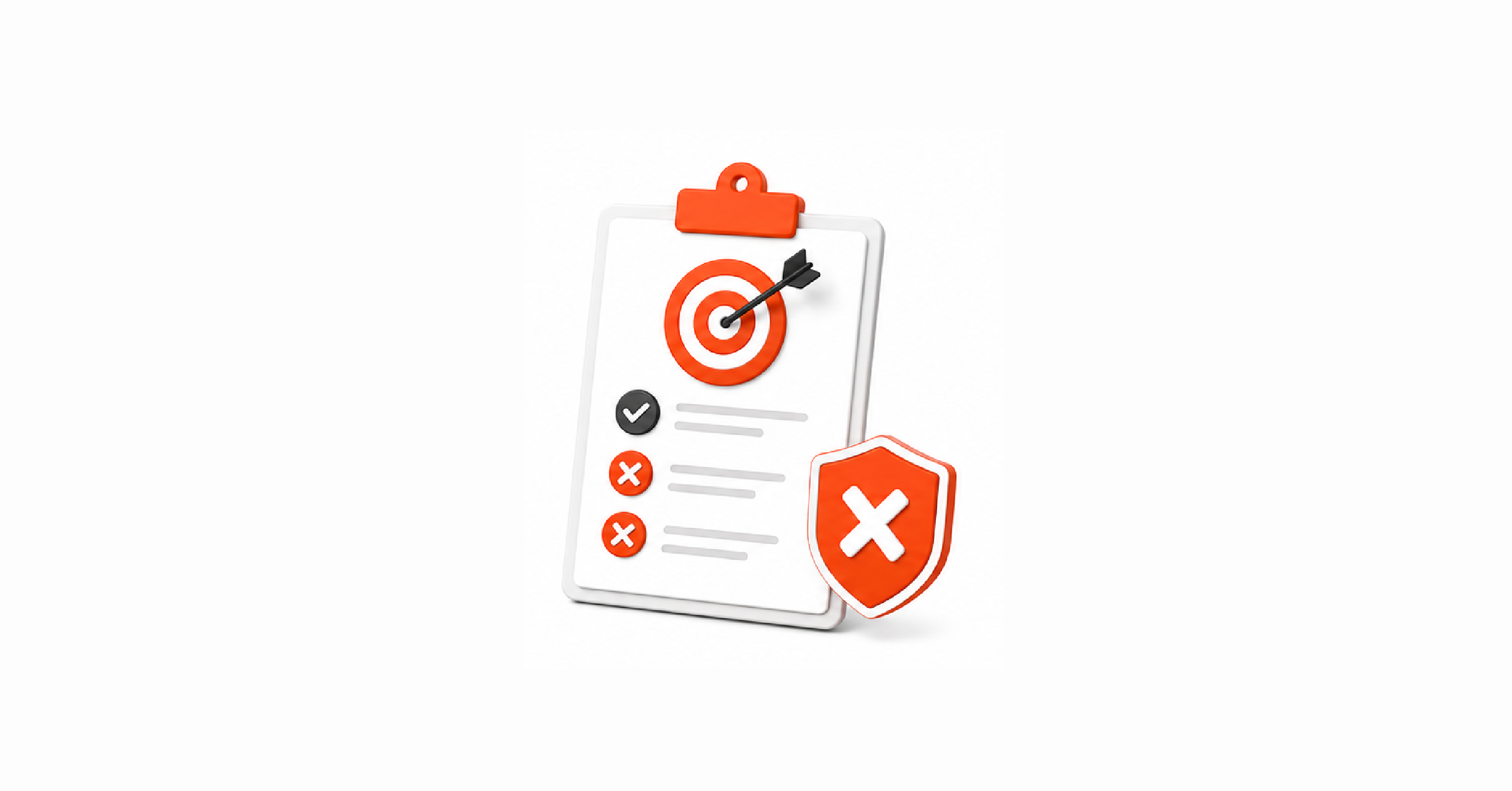
ICP as a Kill List
Take your five strongest wins and losses. Rank why deals died.
Loss patterns become disqualifiers. Your best wins become priority signals.
The Negative-ICP One-Pager
Create one page titled:
“This product is a bad fit if you…”
List three to five conditions that make a prospect hard to sell, costly to serve, or unlikely to stay.
For a deeper first-customer framework, see Tinova’s guide to finding your High-Expectation Customer.
What to Skip at Pre-Seed
| Tool type | Example | Better first move |
| Enrichment database | ZoomInfo, Apollo | Sales Navigator + research |
| Intent data | 6sense, Bombora | Alerts + conversations |
| ABM suite | Demandbase | A narrow target list |
| Complex CRM | Salesforce | Sheets or a lightweight CRM |
Before paying, ask:
Will this tool help me reject bad-fit prospects faster?
A Simple ICP Fit Test
Give yourself one point for each “yes”:
- Can you name three accounts you rejected this week?
- Does your list include clear disqualifiers?
- Can you explain why your best five accounts fit?
- Is your ICP based on customer conversations?
- Did closed-lost deals change your criteria?
- Can a teammate find your top accounts without you?
- Can you spot a useful trigger in under a minute?
- Have you stopped using a tool because it only made the list bigger?
- Do you have a one-page negative ICP?
- Have you rejected a prospect even when you wanted the cash?
Below 6: you may have a lead list, not an ICP.
A Tinova Example: Narrower Can Be Better
For Tahira Collection, Tinova says the positioning was built around one audience instead of five, with $10K in the first 48 hours after launch, before paid spend was switched on. See the Website Development work.
The lesson is not that one audience guarantees results. A tighter buyer definition can make the offer, message, website, and first channel easier to build around.
Keep the ICP Close to the Customer
Y Combinator’s long-running focus on building for a real user need fits this approach.
Do not define your buyer from a blank persona template. Define it from who has the problem, who acts on it, and who is willing to pay.
For a focused first market, read Tinova’s guide on choosing a beachhead market.
FAQ
What are the best ICP tools for startups?
For most pre-seed teams, start with a spreadsheet or lightweight CRM, LinkedIn Sales Navigator, and free alerts. The best stack helps you filter and prioritize, not just collect names.
Do startups need Apollo or ZoomInfo at pre-seed?
Not by default. Prove who buys, why they buy, and which accounts are worth pursuing before paying for a large database.
What should an ICP tool track?
Track fit signals, disqualifiers, buyer role, customer problem, current solution, buying trigger, last conversation, and next step.
What makes an ICP useful?
A useful ICP changes who you contact. If it does not help you reject accounts, prioritize buyers, or choose a channel, it needs more work.
Remember This
The best ICP tools for startups do not make your list bigger. They make your decisions clearer.
Start with a Kill List. Add a tool when it removes work you already understand.
Tinova’s free GAP Analysis reviews your offer, buyers, site, follow-up, and economics, then ranks the biggest growth leaks by revenue impact.
Written by: Tinova Growth Team
Tinova is a marketing and growth agency for startups and owner-led businesses. Its official site reports 200 startups diagnosed, 77+ businesses scaled, 3 awards in 2026, and $10M+ in client funding pipeline built.
Updated: September 24, 2026
Review Focus: Repeatable revenue, retention, customer acquisition cost, business durability, product-market fit.