
Learn how B2B buying committees make decisions, identify hidden blockers, and use champion enablement to keep deals moving after the demo.
A great demo can win one person and still lose the deal.
The decision may happen later in a budget meeting, procurement review, security assessment, or executive discussion you never attend. Your champion walks into that meeting with limited time to explain why your solution matters.
That is why champion enablement matters. Your job is not only to convince your champion. It is to give them enough evidence to build support across the B2B buying committee.
Forrester describes B2B buying groups as having different roles, including champions, decision-makers, influencers, users, and ratifiers. Its 2026 research reports that the typical buying decision now includes 13 internal stakeholders and nine external influencers, with larger groups involved in more complex purchases.
The lesson is simple: one enthusiastic contact is not the whole deal.
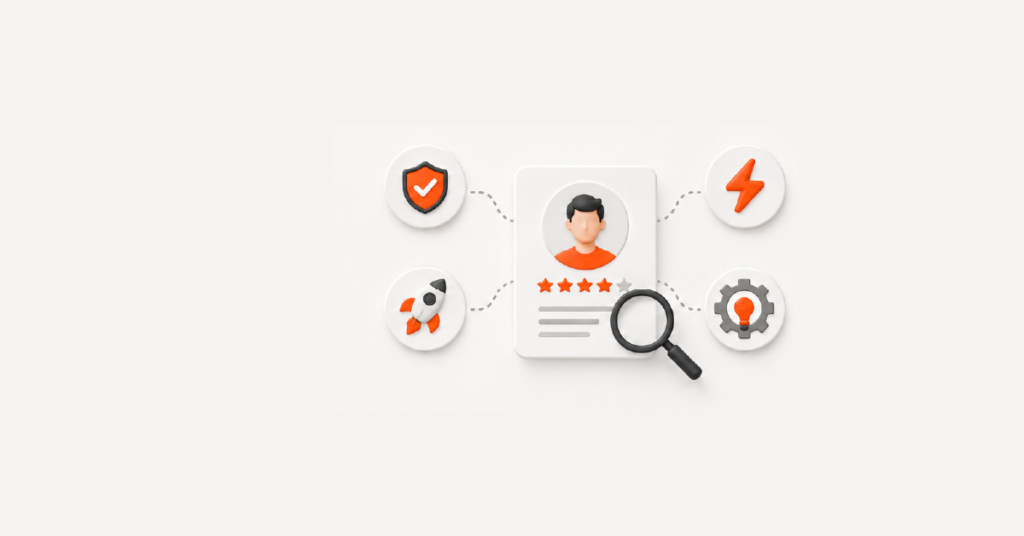
The Meeting That Decides Your Deal May Happen Without You
A deal can start with one user and grow to include a manager, executive, IT, finance, procurement, and other stakeholders.
Each person asks a different question:
| Role | Main Concern | What They Need |
| Champion | Career risk | A business case they can defend |
| Economic Buyer | Business impact | Clear value and cost of doing nothing |
| IT / Security | Risk and compliance | Security details and architecture |
| Finance / Procurement | Cost and terms | Clear pricing and predictable terms |
| Skeptic | Unknown consequences | Evidence, references, or a low-risk test |
Forrester’s buying-group research also shows why one message cannot work for every stakeholder: different roles enter the decision at different points and look for different information.
“They loved the demo” is not a buying decision
Your champion may be excited while the economic buyer is unconvinced.
IT may have concerns your champion cannot answer. Procurement may question the terms. A senior executive may simply ask, “Why do we need this now?”
Your champion needs answers before those questions reach the meeting.
Champion Enablement: Build a Kit That Works Without You
A sales deck is not enough. Give your champion a small set of assets they can use internally.
1. The one-page business case
Build it with your champion, using their company’s language and numbers.
Include:
- The problem
- Business impact
- Expected outcome
- Cost of doing nothing
- Why now
Your champion should be able to forward it without rewriting your pitch.
2. The risk-reversal page
Answer the question buyers are already asking:
“What happens if this does not work?”
Include pilot terms, success criteria, cancellation conditions, and data portability where relevant.
3. The security one-pager
Do not wait for IT to ask.
Cover infrastructure, data handling, security practices, compliance information, and the answers to the questions you receive repeatedly.
4. A customer reference
A relevant customer can answer questions your sales deck cannot.
If possible, connect your champion with a customer who has a similar business model, use case, or implementation concern.
5. The internal FAQ
Prepare answers to questions such as:
- Why this instead of a competitor?
- Why not build it ourselves?
- What happens if usage doubles?
- How difficult is implementation?
- What happens if we stop using it?
The goal is simple: your champion should never walk into an internal meeting carrying only your deck.
Find the Skeptic Before They Stop the Deal
After every meaningful sales conversation, ask:
“Who else needs to be comfortable with this decision?”
Then ask:
“What questions do you think they will have?”
This gives you two useful pieces of information: who can block the purchase and what they are likely to challenge.
If appropriate, ask to meet that person directly:
“I want to make this easier for you. Can we spend 15 minutes with [name] so I can answer their questions directly?”
That frames multi-threading as support rather than doubt.
Multi-Threading Sales Without a Sales Team
A single contact creates a single point of failure.
You do not need a large sales team to multi-thread. A founder can start with one simple rule:
Never finish an important sales conversation without identifying one more stakeholder.
Ask:
“Who else will be involved before this can move forward?”
Then build relationships with those people.
At pre-seed, founder access can also help. Offer to join the wider buying conversation, answer questions directly, or record a short explanation your champion can share internally.
Your role changes from information provider to validation partner. You help the buying group understand the problem, evaluate the risk, and decide whether the solution fits.
The Stall Autopsy
When a deal goes silent, do not write it off immediately.
Run this checklist:
- Did we have more than one contact?
- Did we identify the decision-maker?
- Did we know who could block the purchase?
- Did our champion have a business case?
- Did we answer security and procurement questions early?
- Did we speak directly with the economic buyer?
If several answers are no, the problem may be your sales process rather than the prospect.
Look for the repeated pattern
One stalled deal can happen for many reasons.
Three deals stopping at the same stage deserve a closer look.
If every deal slows down after security review, strengthen your security materials. If champions struggle to explain the business case, improve the Champion Kit. If executives appear only at the end, start multi-threading earlier.
Fix the repeated problem, not just the next deal.
A Simple Example
Imagine a SaaS founder has a $40,000 annual opportunity with a company.
The product manager loves the demo and becomes the champion.
The founder assumes the deal is close.
Then the process reaches IT, finance, and the VP.
IT asks about security. Finance questions the annual commitment. The VP asks what happens if adoption stays low.
The champion has no prepared answers.
The deal slows down.
The product did not suddenly become less valuable. The buying committee simply had questions the champion could not answer.
A Champion Kit would have prepared the business case, security information, risk terms, customer reference, and FAQ before those questions appeared.
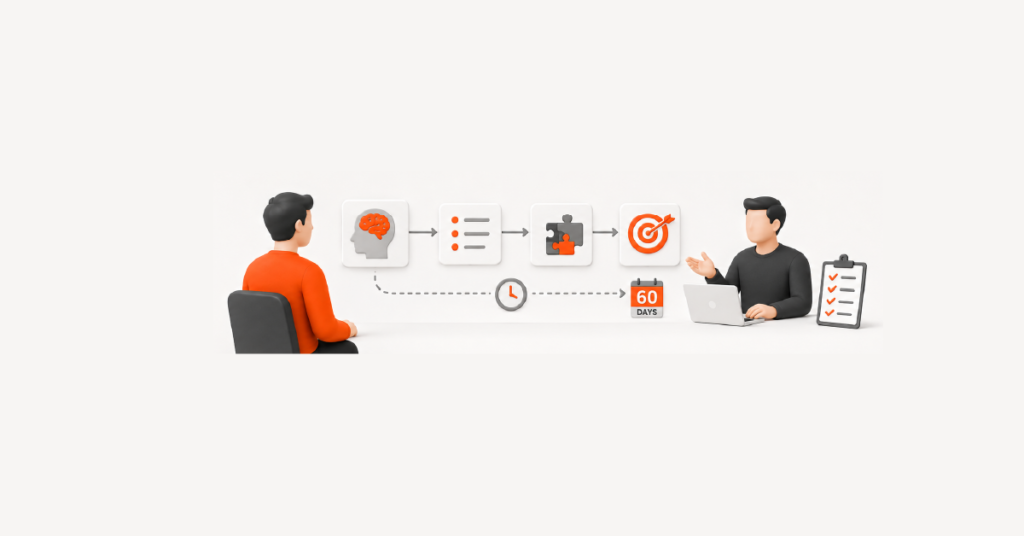
Key Takeaway
Your champion should not have to recreate your sales pitch in a meeting you cannot attend.
Build the business case, answer the risks, identify the decision-makers, and give your champion material they can actually use.
That is champion enablement.
That is how you make a B2B buying committee easier to navigate.
Not sure where your deals are breaking down? Book a free GAP Analysis with Tinova and leave with your biggest growth leaks ranked by revenue impact.
FAQ
What is a B2B buying committee?
A B2B buying committee is the group of people who influence, evaluate, approve, or manage a business purchase. Different members can have different priorities, from business value and implementation to security and procurement.
What is champion enablement?
Champion enablement means giving an internal advocate the information and tools needed to build support for your solution when you are not present. A Champion Kit can include a business case, security page, risk plan, customer reference, and FAQ.
Why do B2B deals stall after a good demo?
A strong demo may convince the person attending the call without addressing the concerns of other stakeholders. Deals can slow when decision-makers, IT, finance, procurement, or executives enter the process with unanswered questions.
How do I multi-thread a deal?
Ask who else needs to be comfortable with the decision, identify those people early, and request introductions when appropriate. Treat the conversation as support for the buying process rather than replacing your champion.